
Do you charge a call-out fee?
Not inside EG1 to EG5. You pay for the job, at the fixed price on our price list or the price we agree on the doorstep before we start. In EG6 and EG7 there is a fixed £35 travel charge, and we tell you on the phone.
24/7 emergency — burst pipe, leak or no heating? Call now.
01632 960 417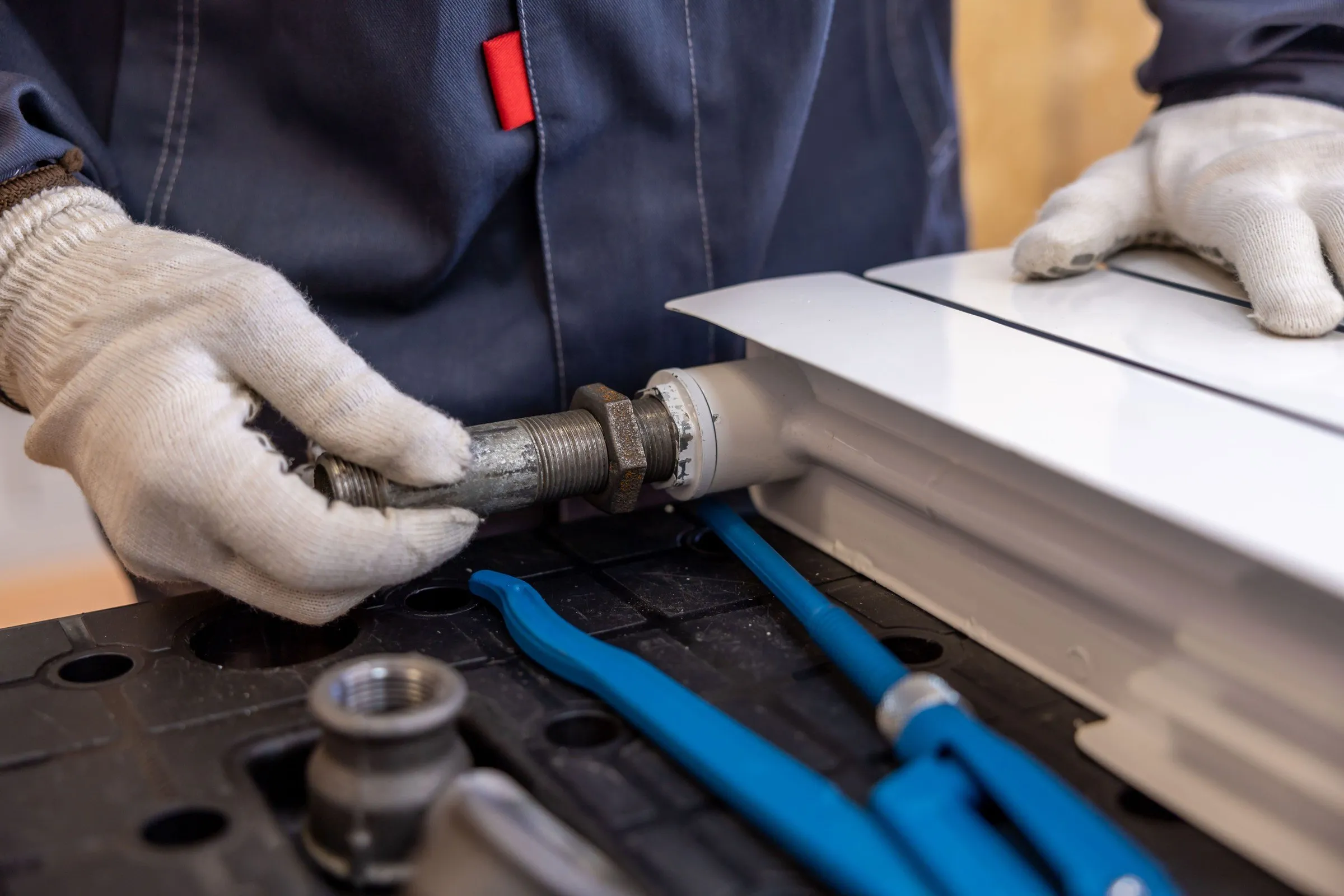
Eastgate, the Quays and the villages
Leaks fixed, boilers serviced and fitted, bathrooms built and drains cleared by 6 engineers who work for the family name on the van.
1998
Family firm, same number since
45 min
Average emergency response, van to kerb
4.9
Average from 612 reviews
12 months
Guarantee on every part and every job
Six services, one team. Every one has a published price and a guarantee.
 24/7
24/7 Burst pipes, leaks through the ceiling, no water, overflowing toilets. Answered 24 hours, van at your kerb in about 45 minutes.
From £95
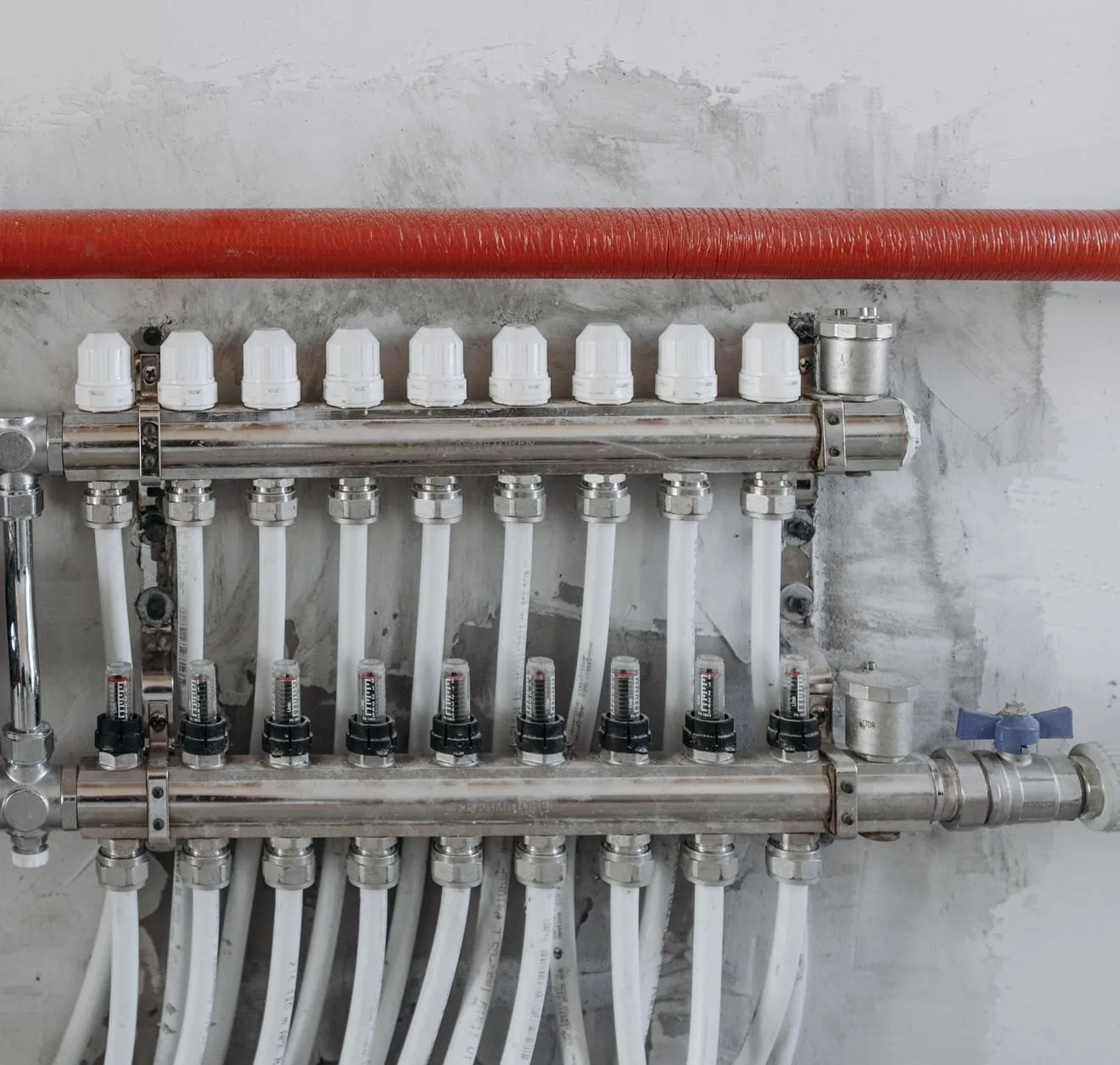
New combi and system boilers, fitted in a day or two by Gas Safe registered engineers, with up to 10 years' manufacturer warranty.
From £2,350
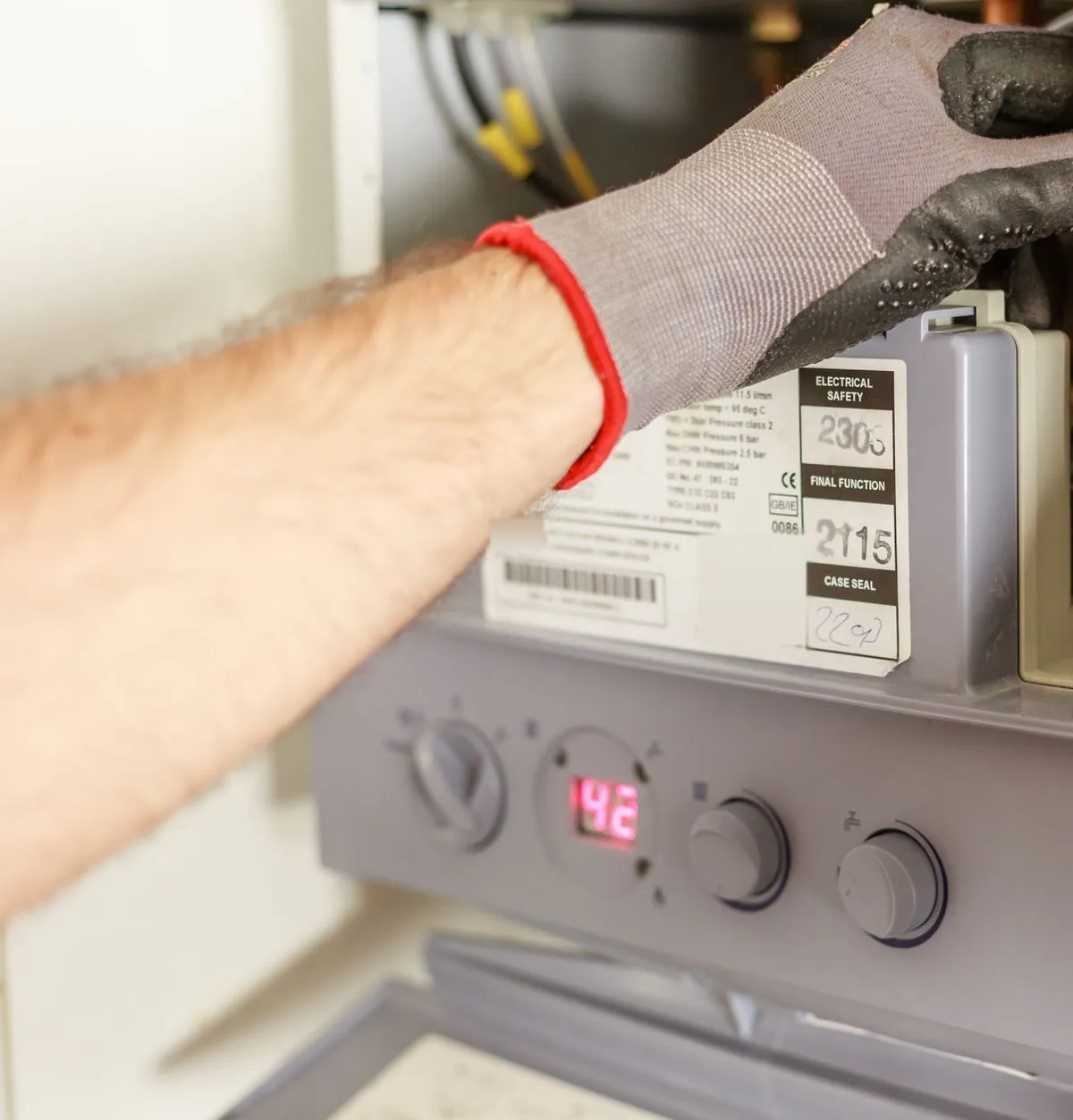
Annual boiler services, landlord gas safety certificates and breakdown repairs. Fixed prices, reminders sent a month early.
From £69
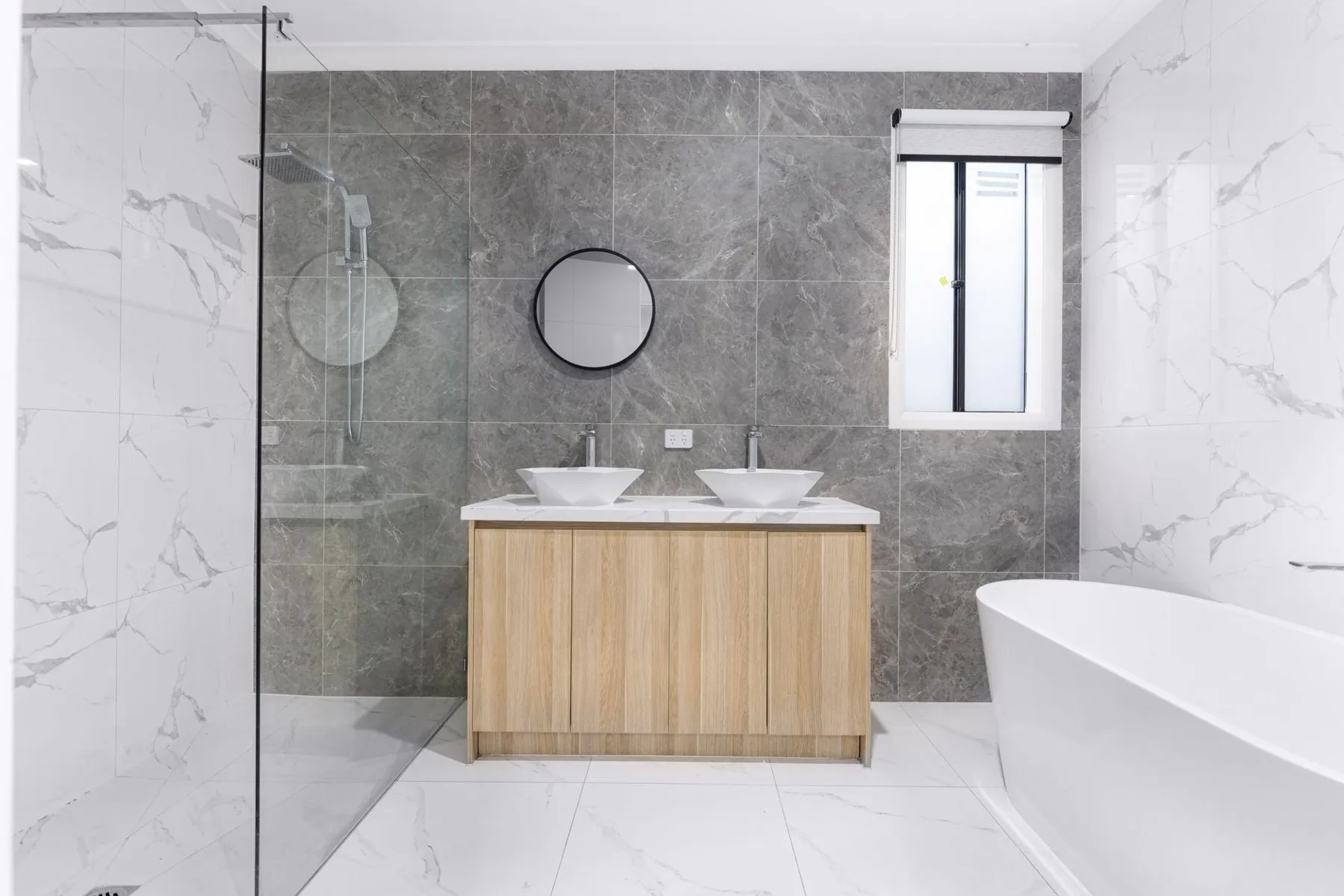
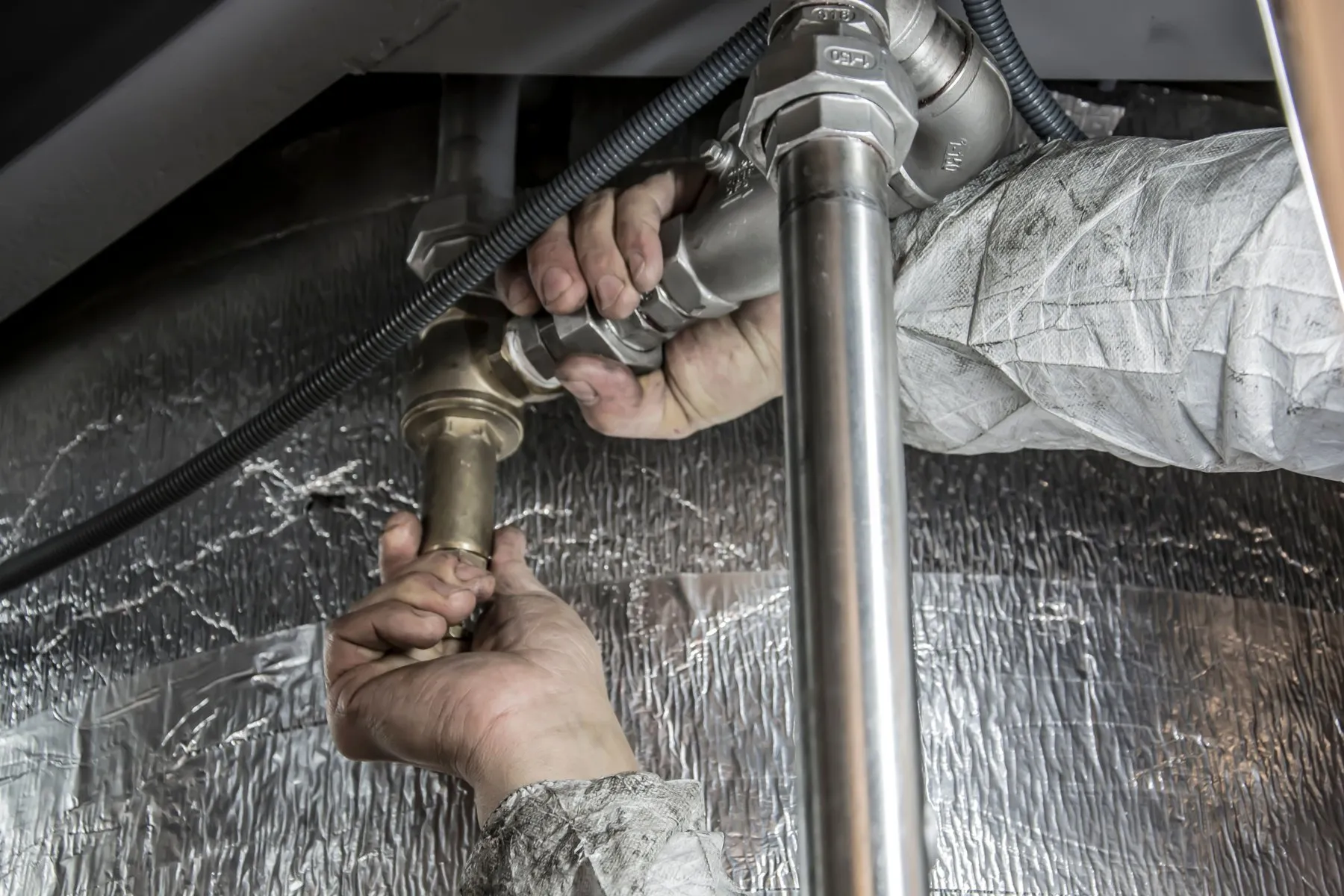
Full bathroom refits and walk-in showers — design, strip-out, plumbing, tiling and clean-up by one team, to a fixed quote.
From £6,900
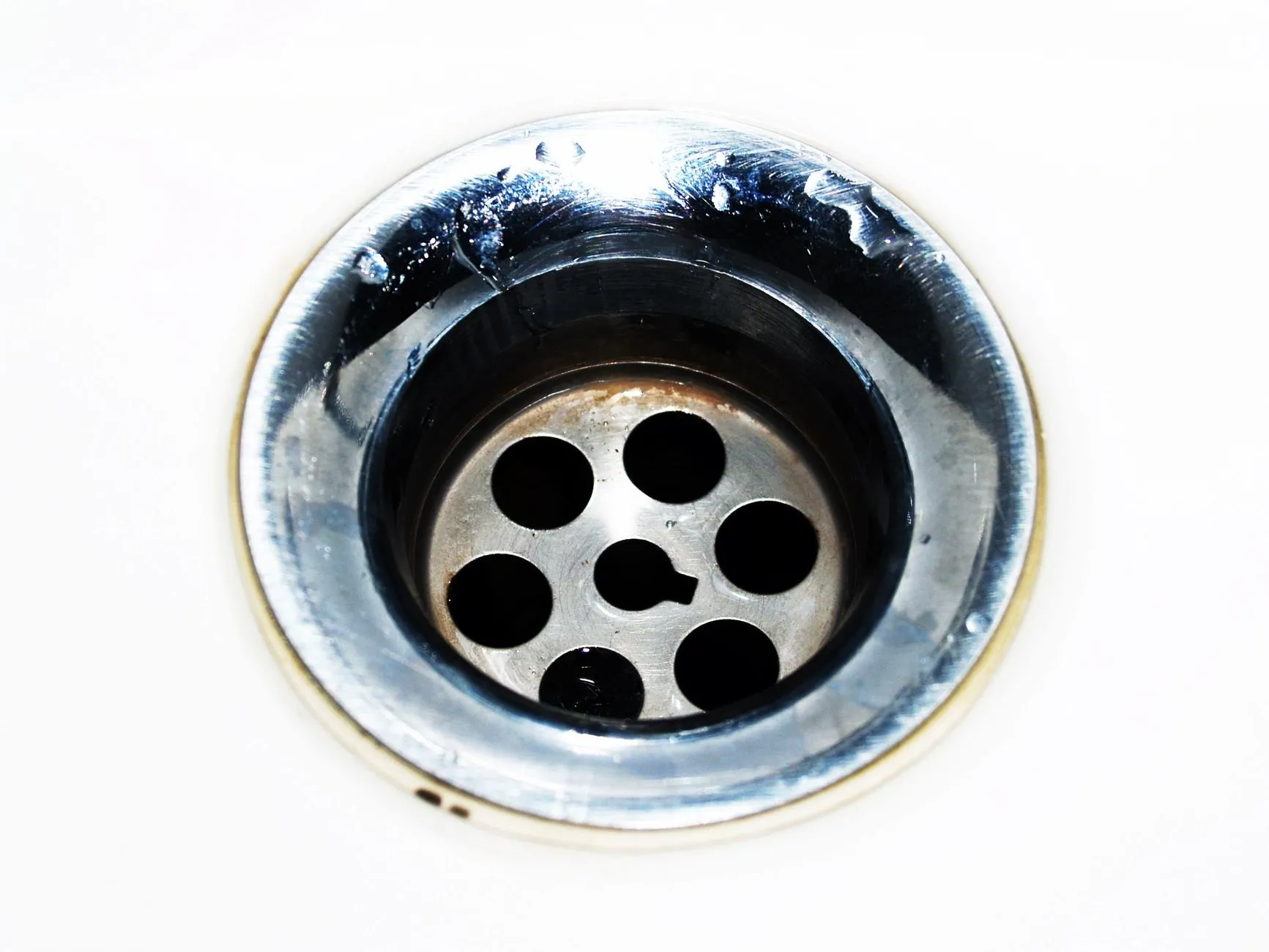
Blocked sinks, toilets and outside drains cleared with rods or a high-pressure jetter. Fixed price for the first hour.
From £95
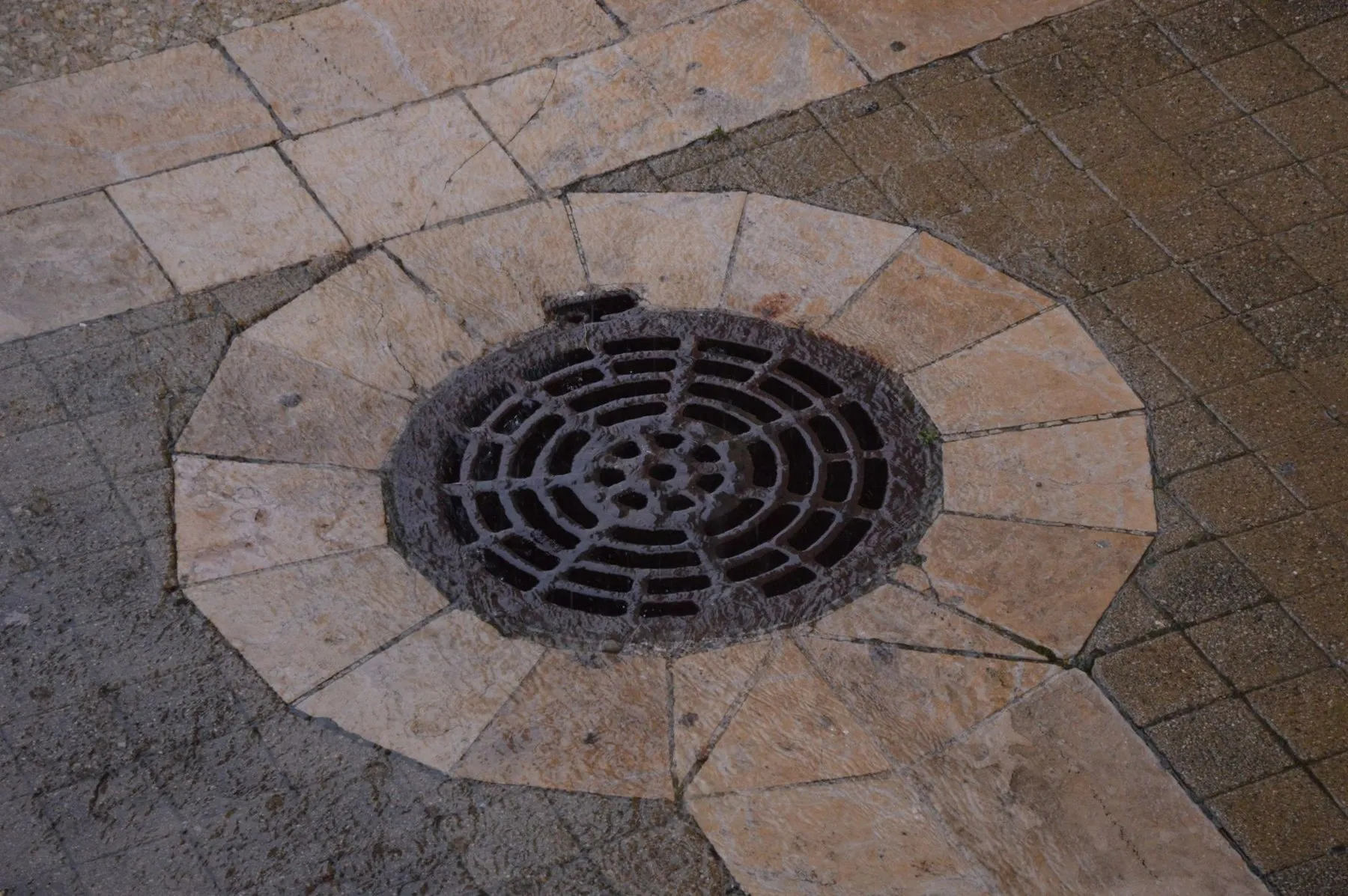
A camera through the drain, recorded and measured, with a written report the same day. For repeat blockages, buyers and insurers.
From £190
Four vans out of Unit 6, Eastgate Works. Type your postcode for the answer, the travel charge if there is one, and how long an emergency usually takes.
Pick the job, a day and an arrival window. We text to confirm, and again when the engineer is thirty minutes away.
Book or call
Online in two minutes, or ring the office. Emergencies go straight to the engineer on call.
A two-hour slot
We text to confirm, then again when the engineer is 30 minutes away.
Price agreed first
The engineer looks, explains the fix and agrees the price in writing before starting.
Fixed and tidied
Tested, cleaned up and photographed. Your invoice and photos arrive the same day.
Next free slots
Updated live from the diary
Two-hour arrival windows, Monday to Friday. Pick yours on the booking page.
Whether it is a £85 tap or a £9,000 bathroom.
Fixed price before we start
Agreed on the doorstep, in writing. It does not change once the tools are out.
No call-out fee in our area
Anywhere inside EG1–EG5 we charge for the job, not for turning up.
We clean up after ourselves
Dust sheets down, shoe covers on, old parts and packaging taken away.
12-month guarantee
On our labour and every part we fit. If it fails, we come back free.
Gas Safe and WaterSafe
Registered engineers on every gas and water job. Ask to see the card.
Photos of the finished work
Before and after, sent to you the same day — useful for insurers and landlords.
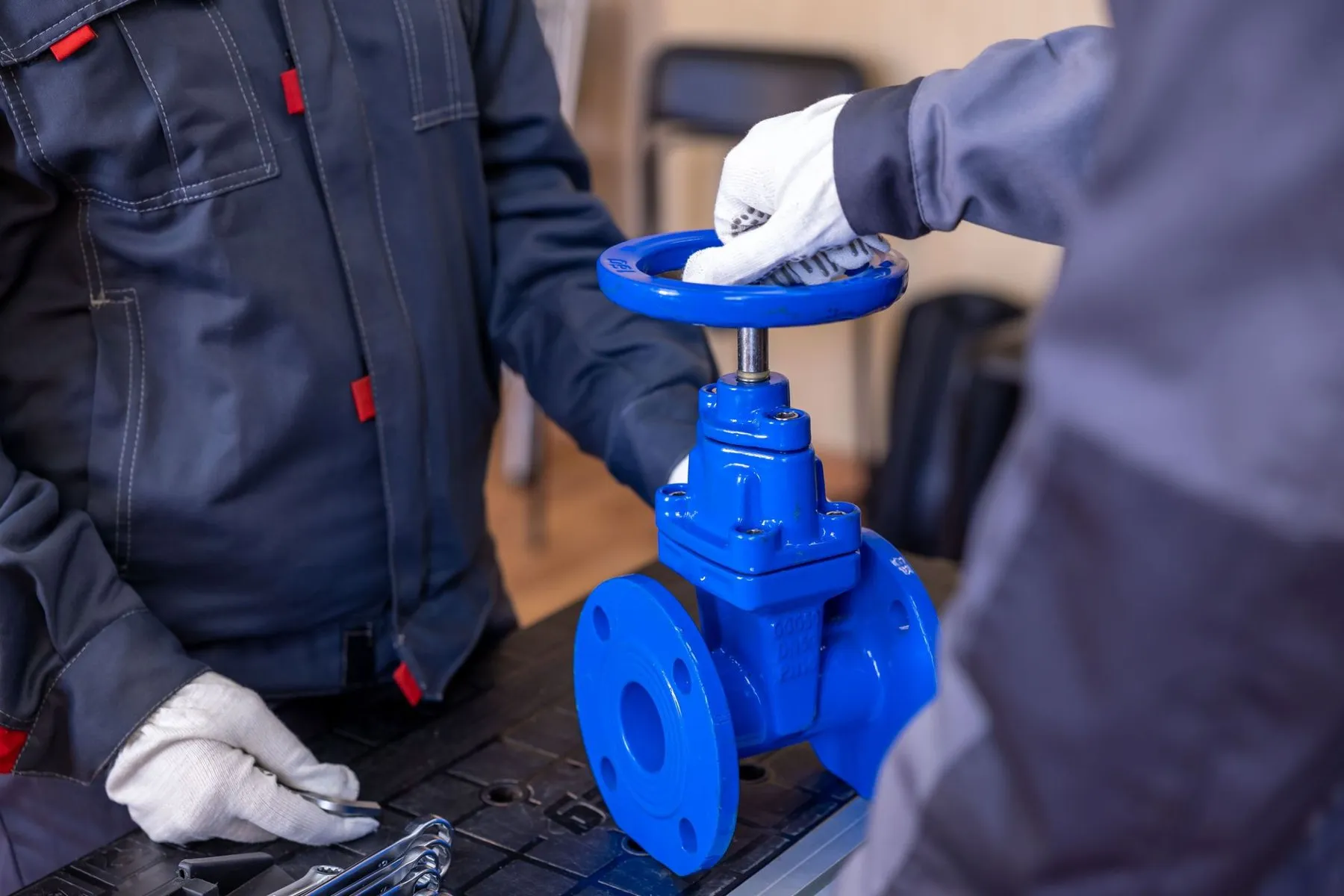
Dennis Crowder started with one van and the number that still rings on the office desk. Today his daughter runs the diary and six engineers run four vans — all employed, none subcontracted, all on the same guarantee.
Every review is from a customer we invoiced. Scroll for more.
4.9
Average from 612 verified reviews
5 out of 5 stars
Emergency leak
“Rang at 11pm with water coming through the kitchen ceiling. Van outside in forty minutes, stopcock off, pipe fixed before one. Price was exactly what they said on the phone.”
5 out of 5 stars
Boiler installation
“New combi fitted in a day and a half. They sheeted the stairs, hoovered twice and sent photos of the flue for my insurer without being asked.”
5 out of 5 stars
Landlord certificates
“I manage nine flats and Crowder do all the gas certificates. Reminders come a month early, the engineer turns up in the slot, and the paperwork is in my inbox by the evening.”
5 out of 5 stars
CCTV survey and repair
“The drain had blocked three winters running. The camera showed a dip in the pipe under the path. Patched without digging, and it has not blocked since.”
5 out of 5 stars
Bathroom refit
“Our bathroom took eleven days, one day less than quoted. Same two people every day, tidy, and the price did not move once.”
4 out of 5 stars
Boiler service
“Booked a service online for the 10–12 slot, engineer arrived at 10:20. Found a weeping valve and fixed it there and then for the price on their website.”
Short, practical advice from the engineers — what to do in a leak, when to service, what things really cost.
Heating
Once a year — but the reasons are more practical than the warranty small print. What a proper service covers, and what a £40 one skips.
4 min read
Bathrooms
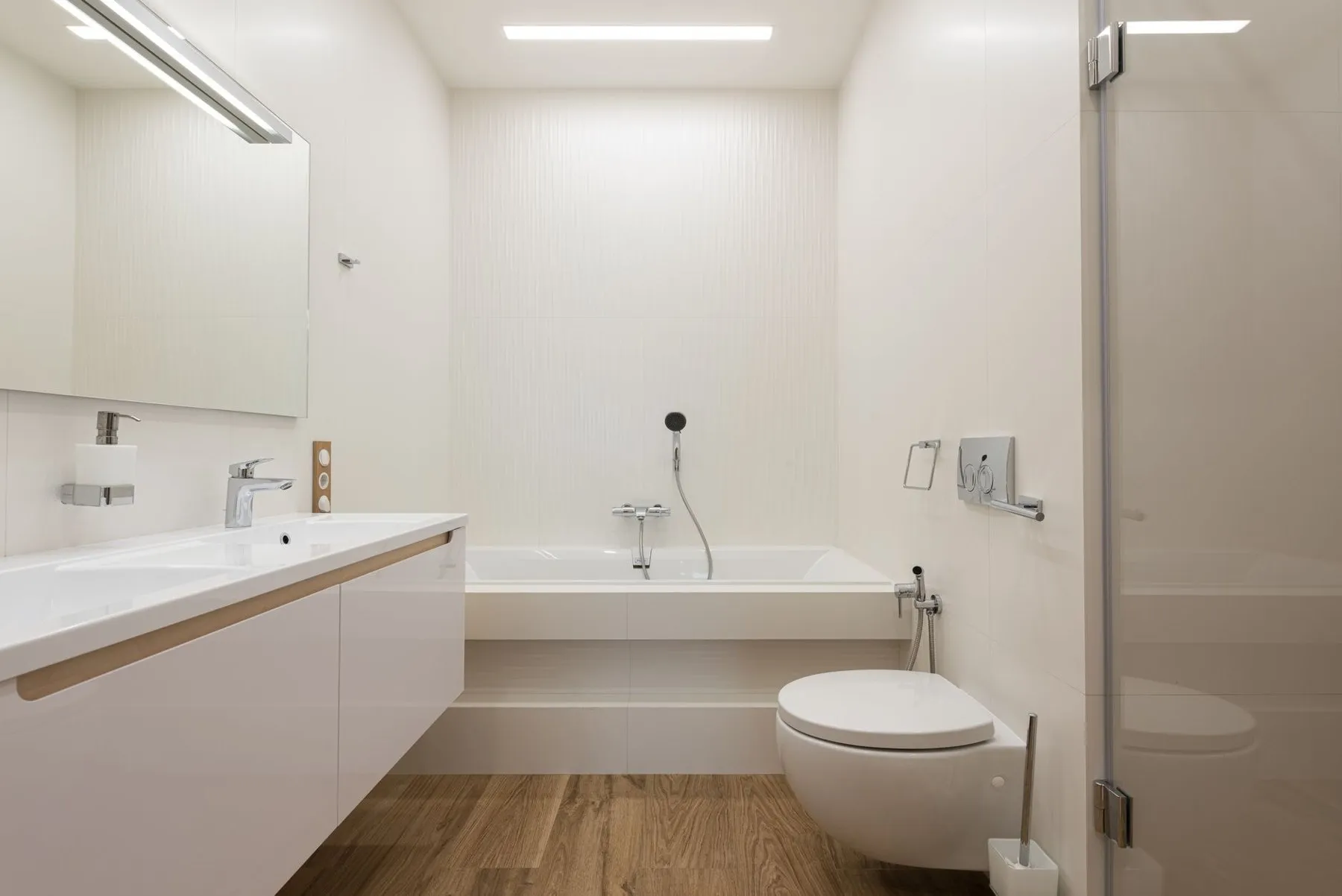
Where the money goes on a typical Eastgate bathroom, which choices move the price, and the three costs people forget.
6 min read
Emergencies
Where the stopcock is, what to switch off, and what to photograph for the insurer — before the van arrives.
4 min read
Not inside EG1 to EG5. You pay for the job, at the fixed price on our price list or the price we agree on the doorstep before we start. In EG6 and EG7 there is a fixed £35 travel charge, and we tell you on the phone.
Day and night we average 45 minutes from the end of your call to the van at your kerb inside EG1–EG5. Villages take longer — we give you an honest time on the phone, not a hopeful one.
Our labour and every part we supply, for 12 months from the day of the job. If something we fitted fails, we come back and put it right at no charge. New boilers also carry the manufacturer warranty, usually 7 to 10 years.
Fixed prices, two-hour arrival windows, and a text when the engineer is thirty minutes away.